
New Life of Lace
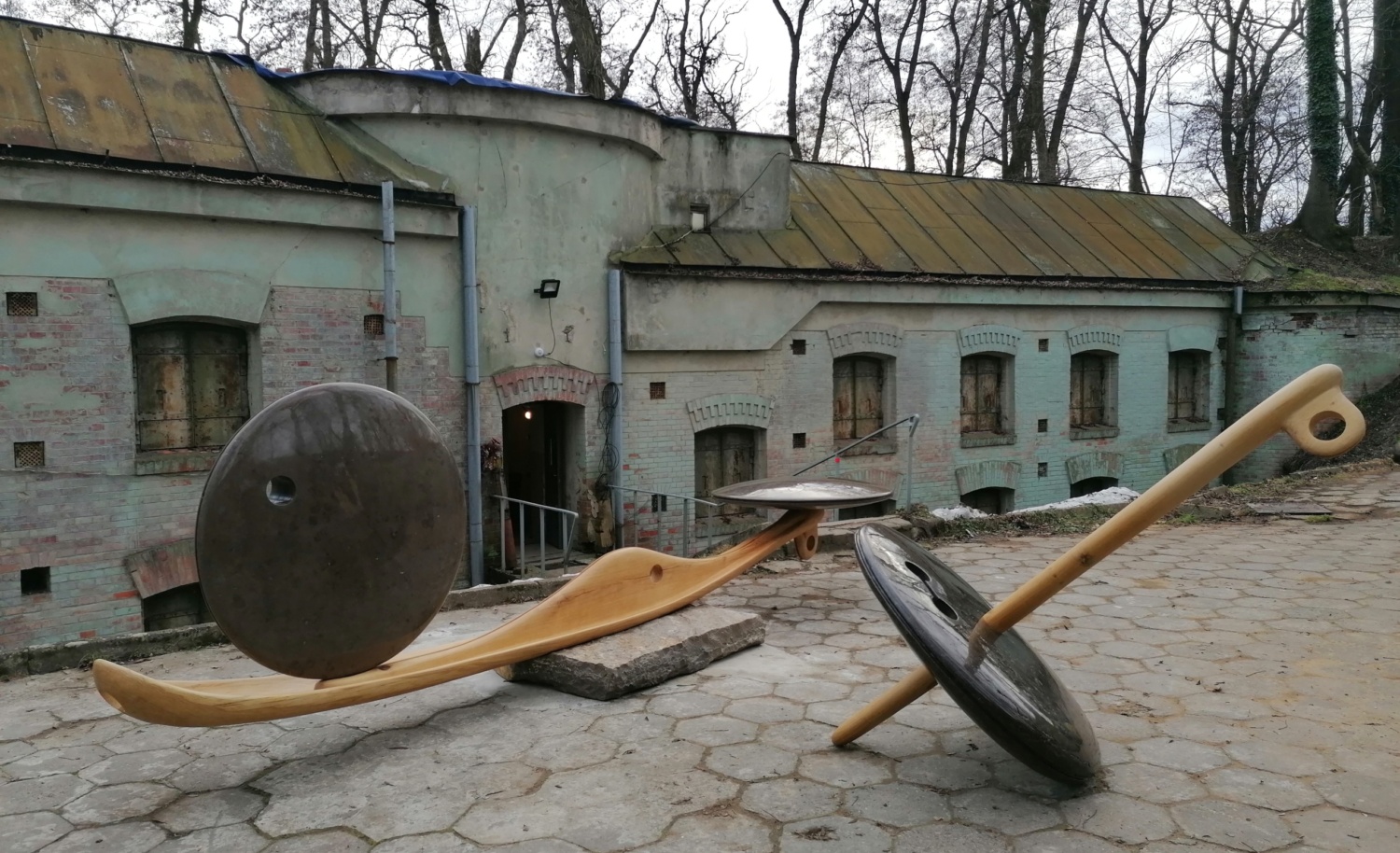
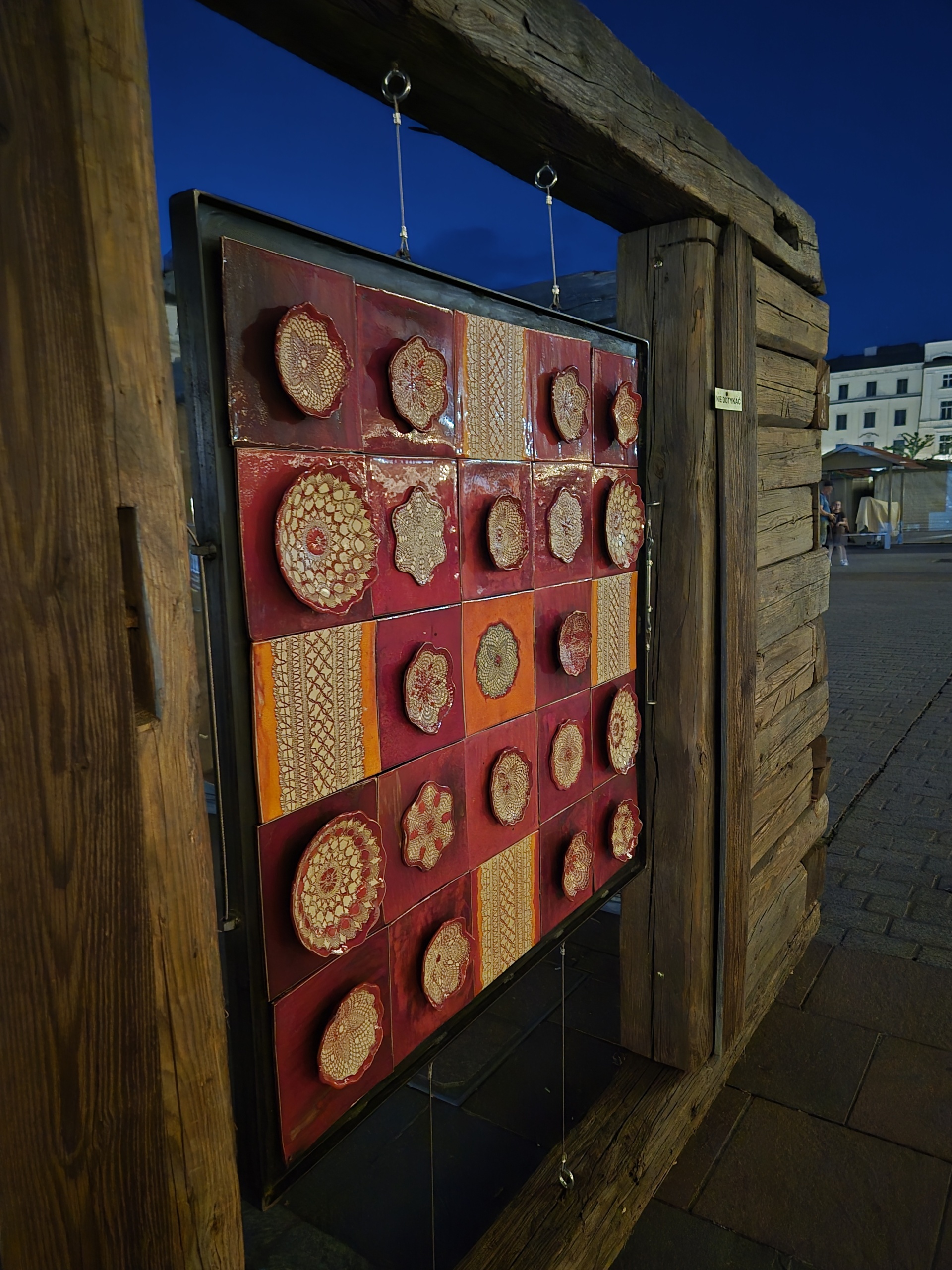
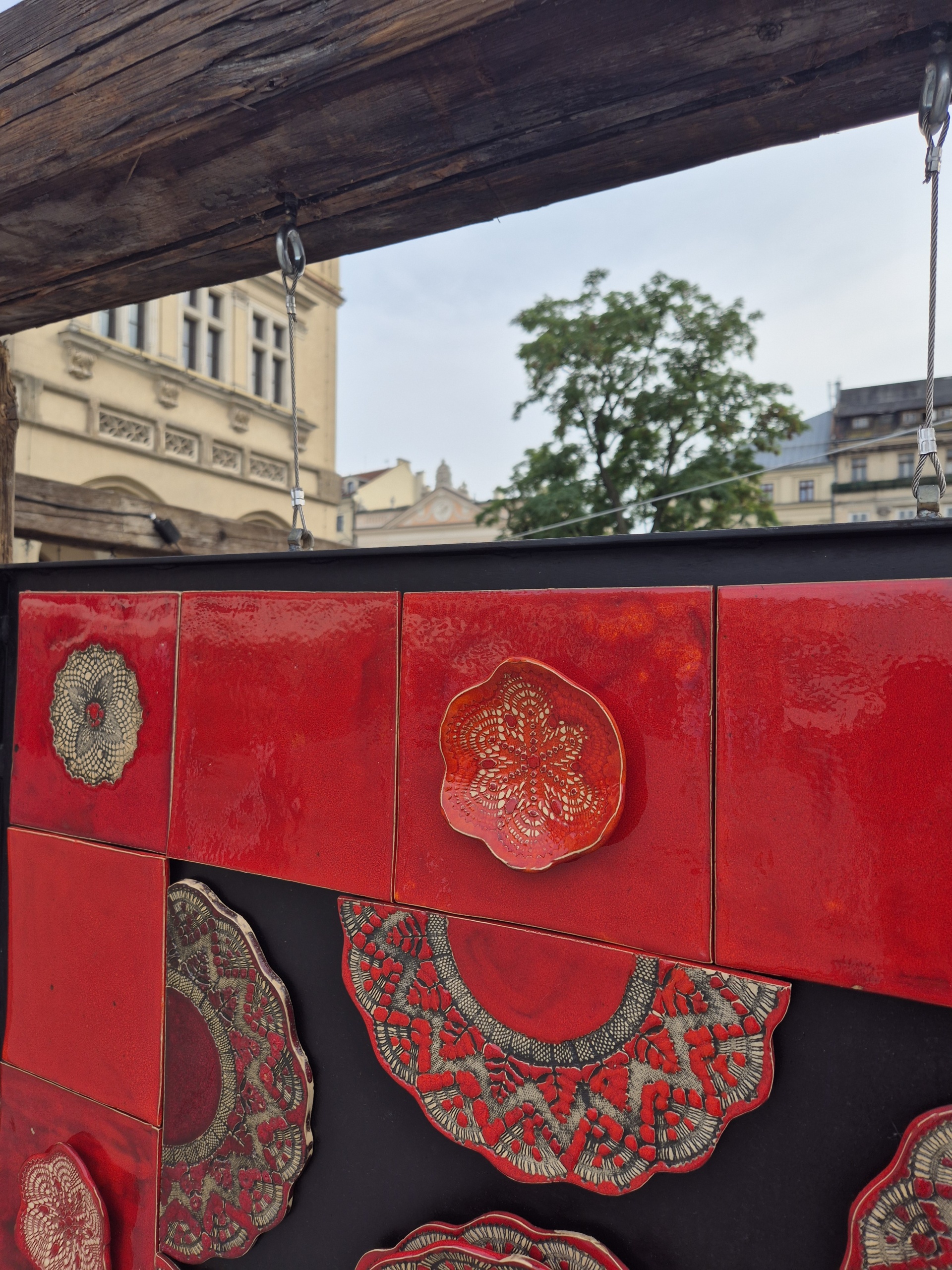
The project involves the creation of a large-scale artistic installation in the form of a public exhibition, the aim of which is to draw attention to vanishing elements of cultural heritage. Bobbin lace, reflected in ceramics, and the use of wooden elements of folk architecture offer a new dimension to traditional and vanishing traditions of folk architecture and art. Above all, it aims to document and archive tangible and intangible manifestations of traditional cultures, creating methods and tools for their preservation and dissemination, with the active participation of the Depositaries.
The exhibition, the third edition of the “New Life of Old Houses” project (launched in 2024) complements the 50th anniversary International Folk Art Fair held at Krakow’s Main Market Square. It is aimed at a large number of residents and visitors to the city. It promotes artistic craftsmanship and the region’s cultural heritage.
The exhibition becomes a proposal to “save” material and give it an artistic dimension. The popularization of folk art, combined with ecological aspects such as material reuse, is a key factor in the proposed artistic project. The modern convention of intervening in urban space combined with folk art, the recycling of material as a lever for artistic inspiration, and modern mannerism combined with folklore, all serve as a postulate for its prevention through transformation, and a call for an intergenerational and inter-environmental repository for both tangible and intangible heritage.
Kraków Main Square
8th – 23rd of August 2026


The project was implemented with the financial support of the Małopolska Voivodeship and the City of Krakow
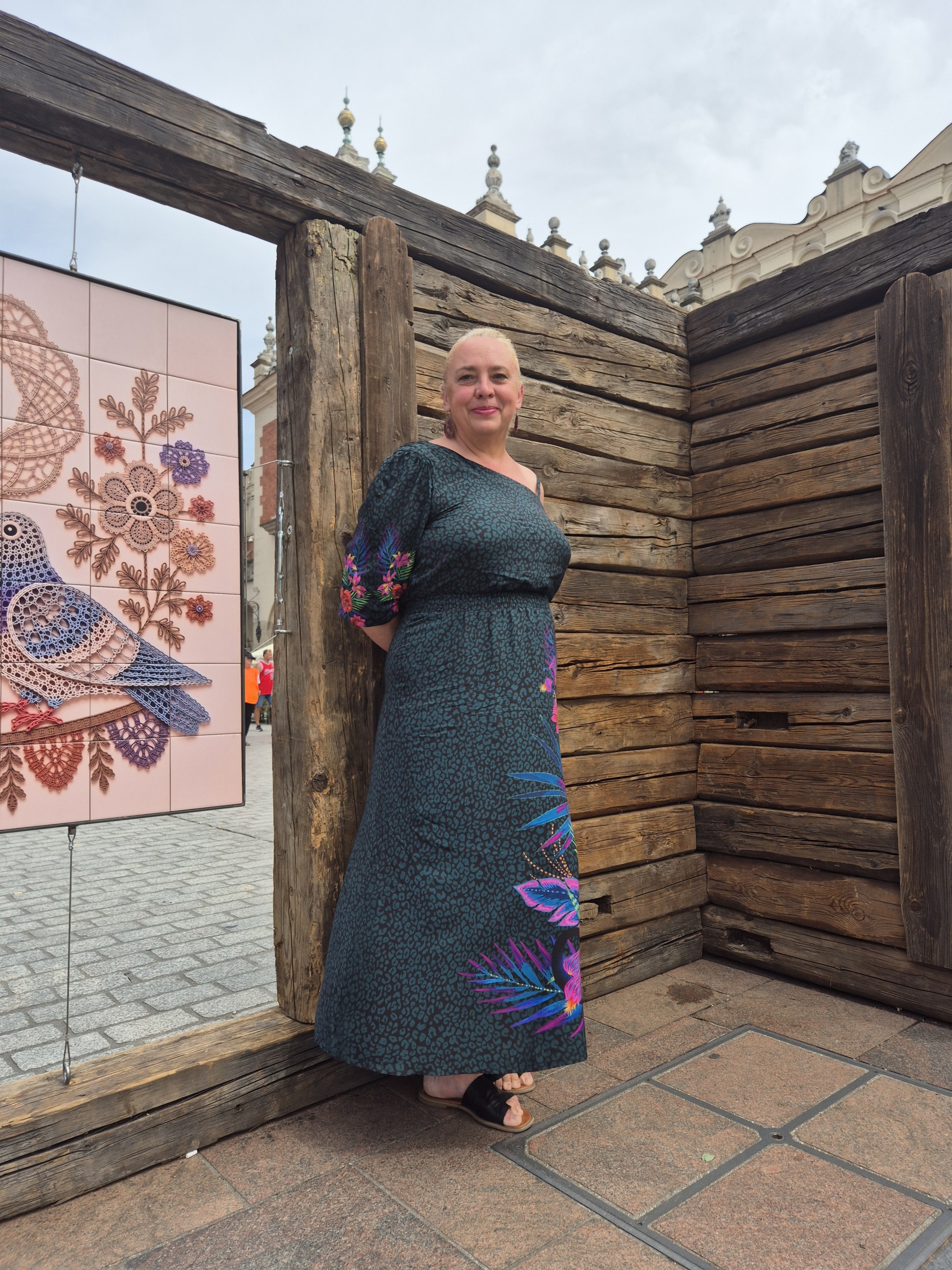
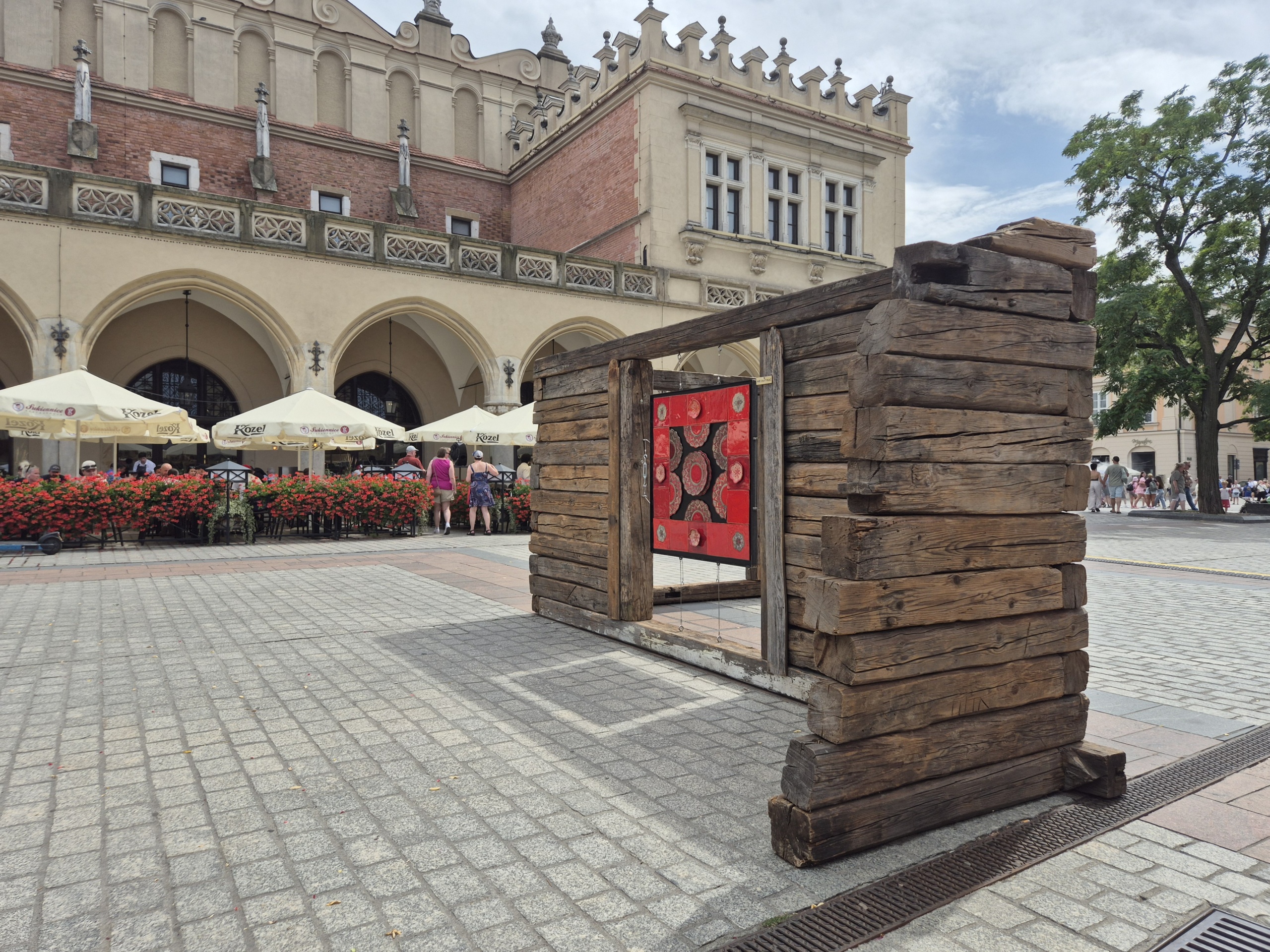
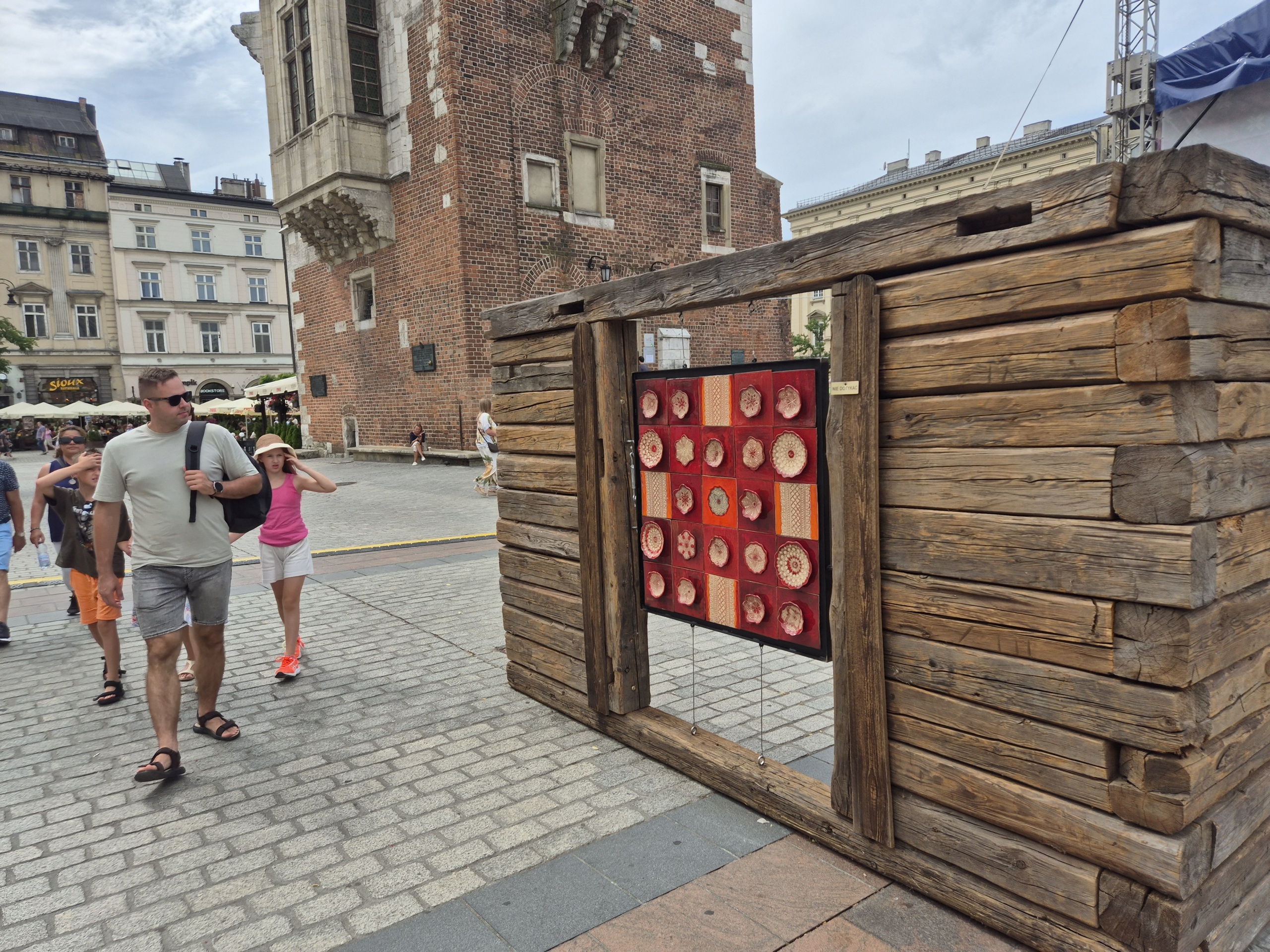
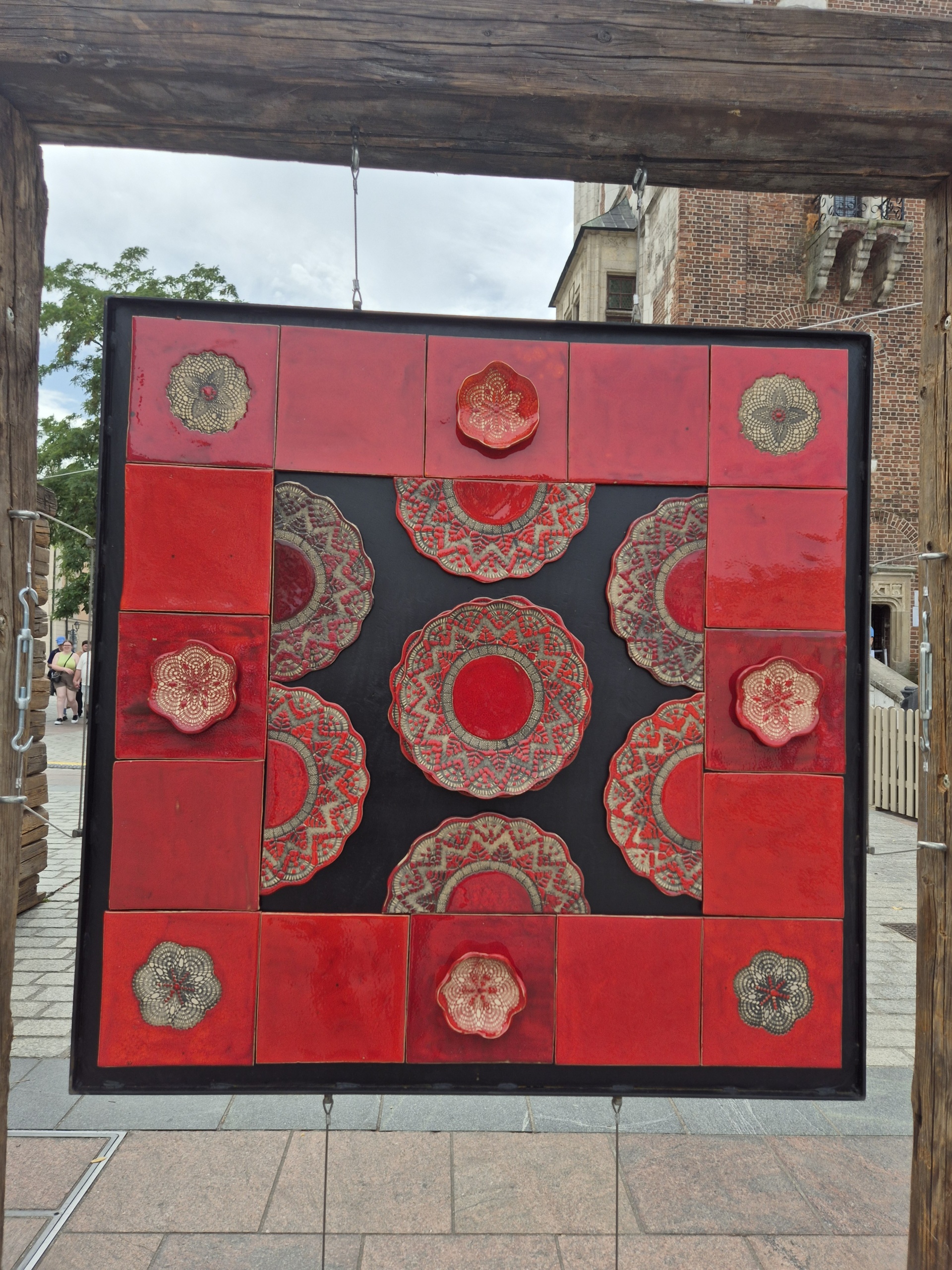
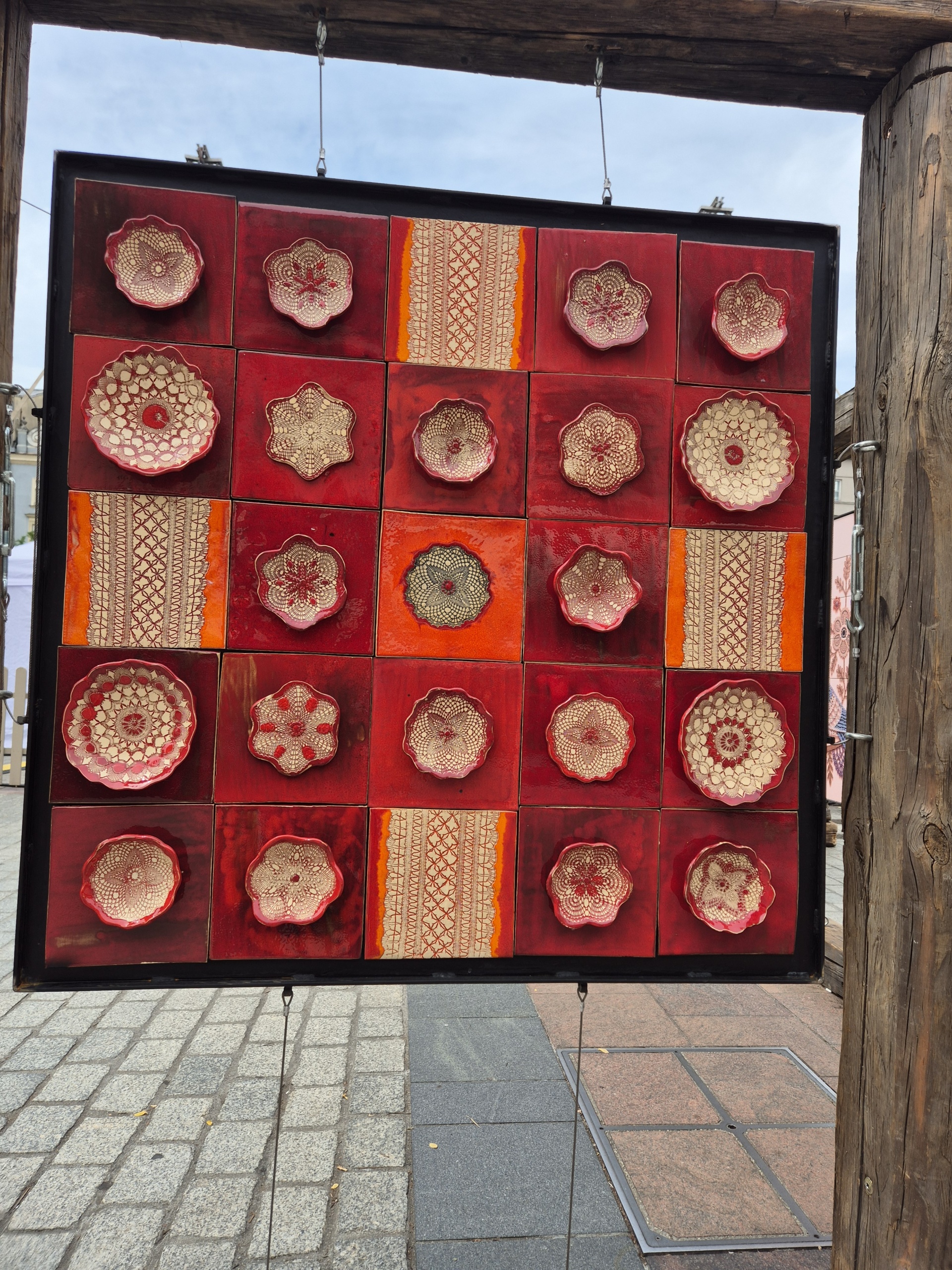
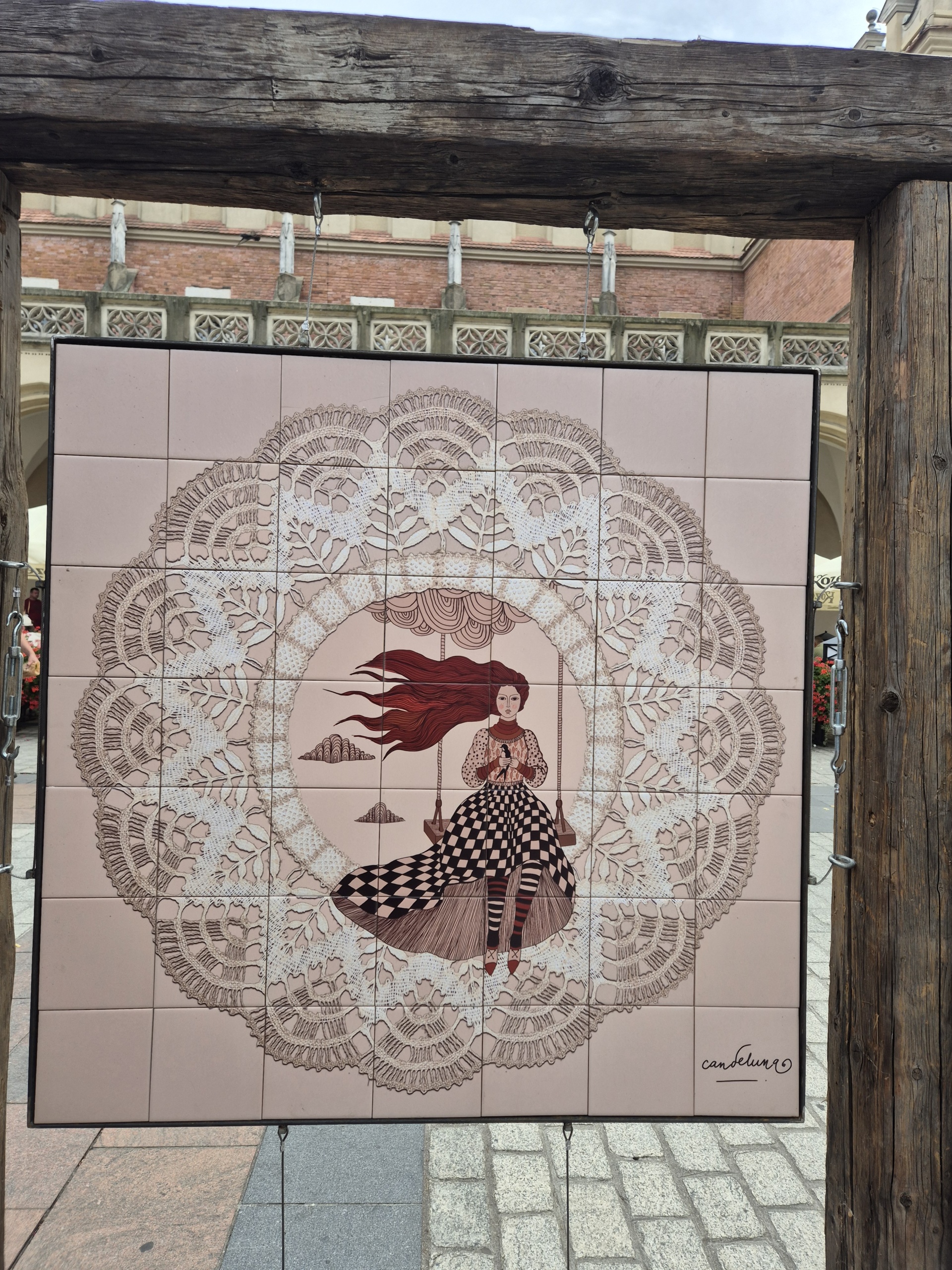
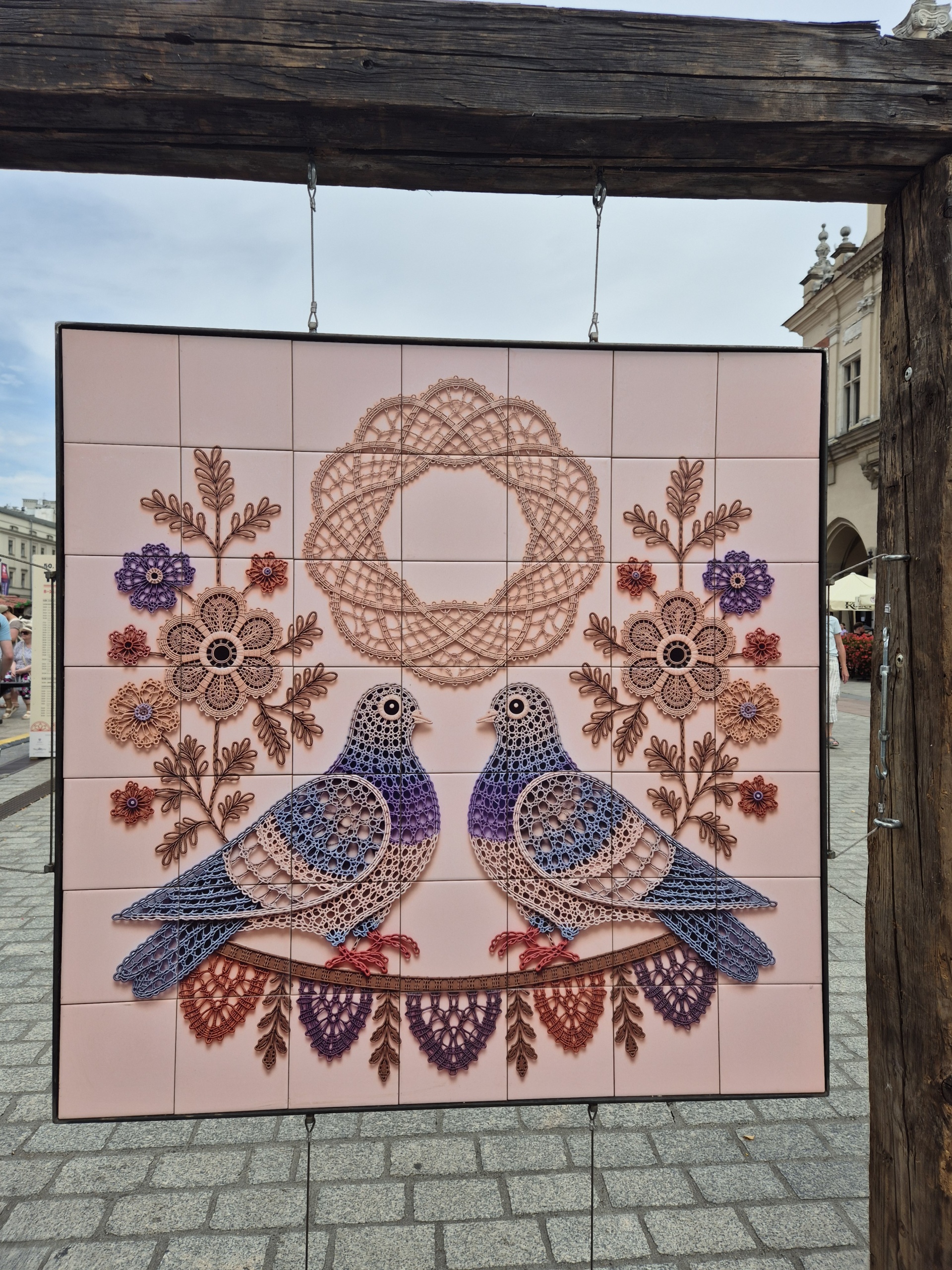
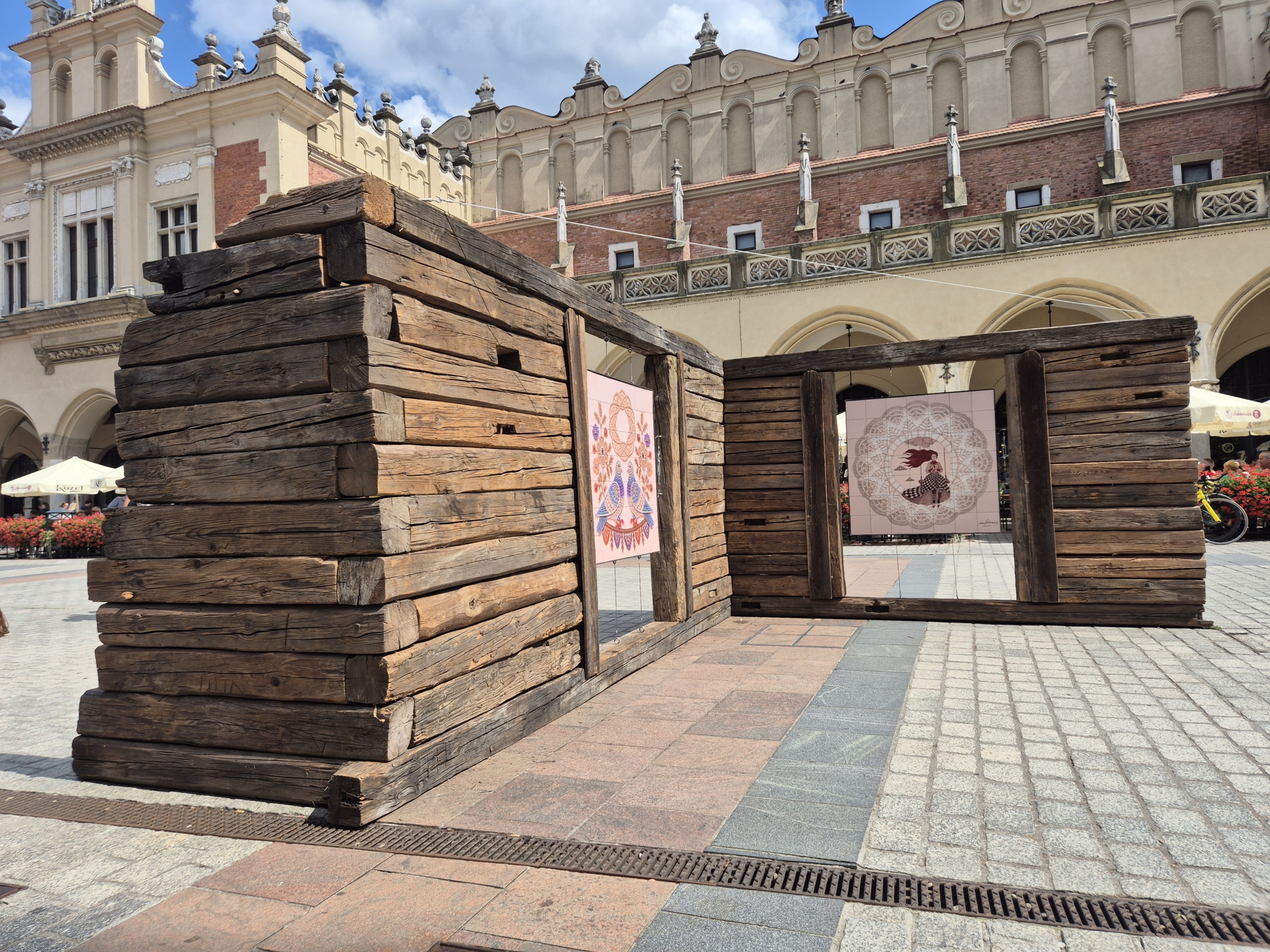
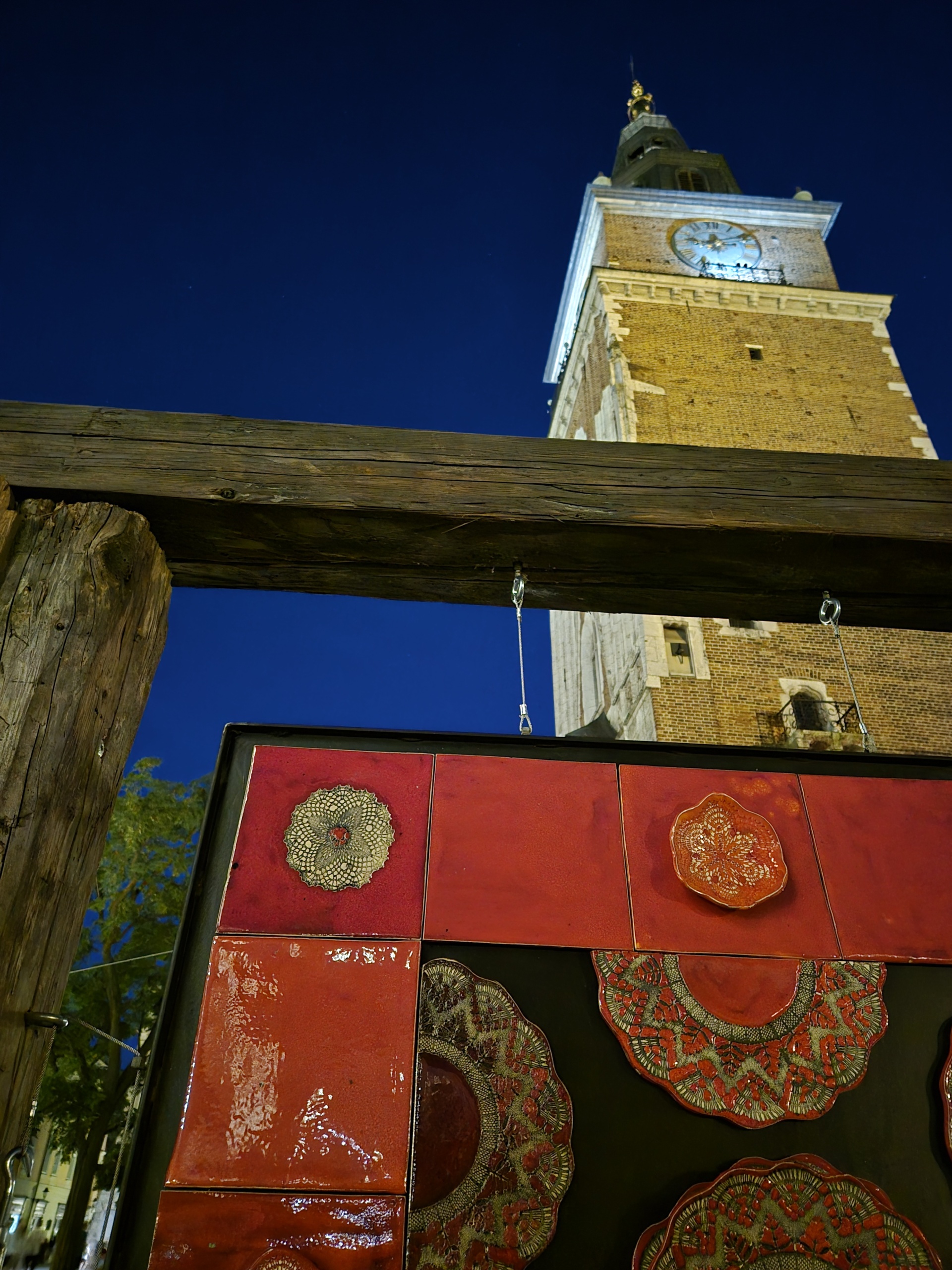
The International Folk Art Fair has been held annually in August on Kraków’s Main Market Square since the 1970s (with a break of several years). Created to showcase the immense richness and diversity of folk culture, both Polish and foreign, to a wider audience, it quickly gained incredible popularity among city residents and tourists alike. It has become the largest and most comprehensive presentation of Polish folk art and artistic handicrafts in Central and Eastern Europe, thus creating conditions for preserving traditional crafts and folk art, and promoting folklore in its broadest sense. At the same time, it offers an opportunity to promote Kraków and the entire Małopolska region as a region by creating an attractive format for the entire event, presenting folk artists, their works, artistic workshops, and folk groups on Kraków’s Main Market Square, surrounded by historical symbols and in the presence of a large crowd. The exhibition “New Life of Lace” is a continuation and another variant of the project by Anna Weronika Zięciak and Mirosław Baca entitled “New Life of Old Houses”, carried out in 2024 and 2025 by the Fort Kosocice Foundation with an estimated number of 50,000 recipients each year. Large-scale objects, compositions constructed from wooden structural elements salvaged from the demolition of old buildings, form the foundation for two-dimensional ceramic works with folk themes, created specifically for the exhibition. As part of the material sourcing process, the organizer has the opportunity to obtain, on favorable terms, wooden logs from the preserved structure of the Marcin Peterseim Machinery and Foundry Factory in Krakow, which was demolished in 2001, as well as enormous wooden window frames preserved from the reconstruction of the Operetta building in Krakow. The double-sided ceramic panels filling the window frames are lace patterns transferred in clay, created specifically for the project by artists from the Kraków Region Lacemakers’ Association. Two heritage techniques (lace-making and ceramics) come together in one. The concept of transferring and reproducing bobbin lace in a durable ceramic material is an artistic vision and an attractive and original way to engage in dialogue and disseminate knowledge about cultural heritage. Artist Anna Weronika Zięciak has been working with this technique for years, and the proposed project is a large-scale extension of her concept of “saving handicrafts” and a manifesto for preserving folk tradition as a link to national heritage. The exhibition project involves the creation of double-sided panels (works of ceramics and lace) mounted in window frames, which are part of a composition of wooden structures. The active participation of the Bearers as co-creators in the promotion and implementation of the exhibition. During the International Folk Art Fair, the Bearers from the Association of Lace Makers of the Kraków Region actively participate in workshops and demonstrations of the bobbin lace technique. They present their works in a dedicated booth. The Bearers’ active presence at events related to the “New Life of Lace” exhibition is an integral part of the project, emphasizing the authenticity of the undertaking. The exhibition initiates transformations of the legacy of traditional cultures by engaging the Bearers in a modern and interdisciplinary project. One of the key dimensions of the project is the initiation of innovative, inclusive, and interdisciplinary artistic collaboration for the preservation of artisanal and handicraft practices of intangible heritage through collaboration between contemporary artists and bearers of regional intangible heritage. The exhibition, as a component and promotion of the 50th International Folk Art Fair, set in the heart of a city inscribed on the UNESCO World Heritage List, is a tribute to tradition, a reflection on the past, and a call to action. The modern convention of intervention in urban space, combined with folk art (represented by a tradition inscribed on the National List of Intangible Cultural Heritage), the recycling of material as a lever for artistic inspiration, and modern mannerisms combined with folklore, call for a dialogue with it, its prevention through transformation, and a call for an intergenerational and inter-environmental repository for both tangible and intangible heritage. The combination of traditional folk art with contemporary ecological thinking draws attention to the problem of the thoughtless destruction of remnants of traditional Polish wooden architecture and their replacement with new buildings in the pursuit of modernity and comfort. The leading aim of the project is to popularise, redefine and reinterpret unique and vibrant local heritage practices in the form of ceramics with folk art motifs and lace-making, as well as to draw attention to traditional and disappearing elements, forms of construction lost as part of modernisation, and disappearing artistic crafts. The exhibition becomes a proposal to “save” the material and give it an artistic dimension. The popularization of folk art, combined with ecological aspects such as material reuse, is a key element of the proposed artistic project. This compelling artistic project is a meeting, symbiosis, and confrontation of two intangible cultural heritage practices: the handicraft and craft techniques of ceramics and bobbin lace. The artistic installation, combining artistic ceramics with lacemaking, disseminates various practices and knowledge about intangible cultural heritage, artistic crafts, and folk art. Bobbin lace immortalized in ceramics and the use of wooden elements of folk architecture not only offers a new format and new forms of artistic and cultural expression, but also engages in a dialogue between the past and the present for the future. Action through direct collaboration between contemporary artists and folk artists, documenting and archiving material and immaterial manifestations of traditional cultures, creating methods and tools for their protection and dissemination. The specific goal of the project is to protect and preserve the heritage of folk and traditional culture. The invitation to the project from lacemakers from the Kraków Region Lacemakers Association and the proposal to create large-scale works, transferring lace to a new technique, and presenting it in an unusual setting are initiatives that initiate transformations of intangible cultural heritage practices and their individual elements, linking them to contemporary contexts. Krakow Bobbin Lace has been added to the National List of Intangible Cultural Heritage (KLNDK 18 (2016)). The project proposes a model for the protection and creative inspiration of traditional cultural elements, both tangible and intangible. Support for folk artists and custodians of traditional cultural knowledge through collaboration between contemporary artists and folk artists, fostering dialogue, synergy, and, above all, partnership, is key to protecting and preserving tradition. Galery
Partners:


Links:
